
You have probably done everything you were told to do. You have seen the specialists, tried the medications, and followed the stretching handouts. Yet the migraines still arrive, the pain still flares, and you are left wondering why nothing seems to reach the root of it.
If that sounds familiar, you are not imagining things, and you are not failing at healing. Many women in their 30s, 40s, and 50s find that standard care addresses the where of their pain but not the why. This guide explains how integrative physical therapy can support recovery and performance, and how a trauma-informed approach looks at your body, your nervous system, and your story together.
What Is Physical Therapy, and How Does It Support Recovery and Performance?
Physical therapy is a healthcare approach focused on restoring movement, reducing pain, and improving function. Physical therapists use hands-on care, exercise, and education to help people move better and feel better.
Most people think of physical therapy as something you do after an injury or surgery. That is part of it. But physical therapy also supports ongoing goals like building strength, improving posture, increasing flexibility, and managing long-standing pain.
Recovery and performance are closely connected. A body that is stuck in pain cannot perform well, and a body that is constantly braced for threat cannot fully recover. That is why the best care looks at more than one muscle or joint.
Why Does Chronic Pain Persist Even After Conventional Care?
Chronic pain is usually defined as pain that lasts three months or longer. By then, the pain is often no longer only about tissue damage. The nervous system itself can become more sensitive and more reactive.
This is one reason you may have been told your scans look fine while you still hurt every day. Your pain is real. It simply may be driven by factors that imaging cannot show.
How Adverse Childhood Experiences Relate to Chronic Pain
Adverse Childhood Experiences, often called ACEs, include events like abuse, neglect, household dysfunction, and growing up around chronic emotional stress. Research has linked higher ACE exposure with a greater likelihood of chronic health conditions in adulthood, including headache disorders and chronic pain.
This does not mean your pain is purely emotional, and it does not mean you caused it. It means early stress can shape how the body learns to respond to threat, and those patterns can last for decades.
The Role of Your Nervous System
Your nervous system constantly scans for safety. When it has spent years in a protective state, it can stay on high alert, which may show up as muscle tension, poor sleep, heightened pain sensitivity, and anxiety.
The encouraging news is that the nervous system can change. Understanding this is the foundation for a different kind of care.
What Makes Integrative Physical Therapy Different?
Traditional physical therapy often centers on a specific body part and a set of exercises. Integrative physical therapy keeps those tools but widens the lens.
At Kairos Therapeutic Healing Center, care is designed to address the emotional and neurological contributors to chronic pain, not only the symptoms. The approach combines physical bodywork with inner child healing, narrative therapy, and parts healing, all within one cohesive plan.
Here is what sets this model apart:
Root-focused care: Your symptoms are treated as information, not as the whole problem.
Trauma-informed support: You move at a pace that feels safe, and you are never pushed to relive painful events.
Mind and body together: Physical work and emotional work are woven into the same plan.
Personal mentorship: You are guided by an integrative physical therapist who leads with a woman-to-woman style. You can learn more on the About Kai Aird page.
What Hands-On and Movement-Based Care Can Do for Your Body
Emotional and nervous system work matters, but your body also deserves direct, skilled physical care. Tight tissue, restricted joints, and weak or poorly coordinated muscles can all keep pain cycles going.
Manual Therapy and Bodywork
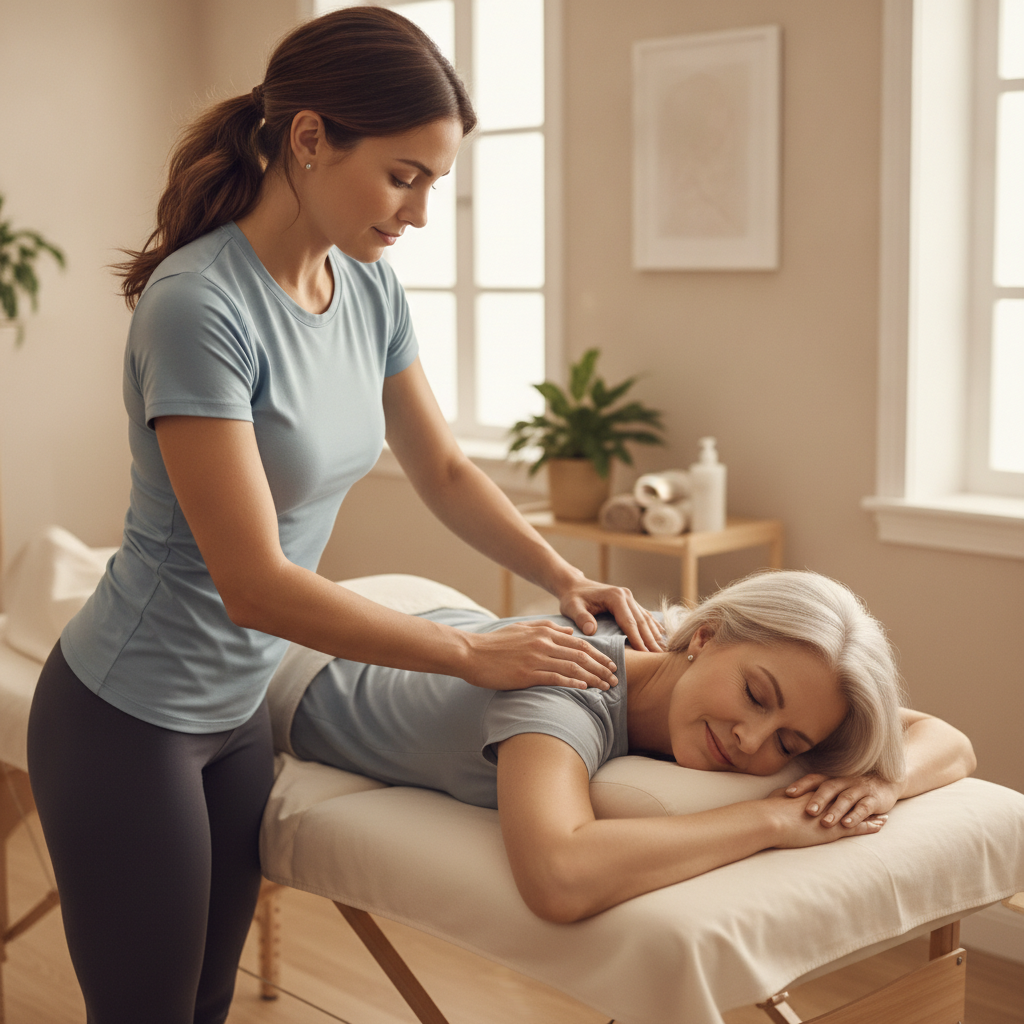
Manual therapy uses skilled hands-on techniques to ease pain and improve movement. Depending on your needs, this may include:
Joint mobilization: Gentle movements that help restore comfortable joint motion.
Myofascial release: Sustained pressure to ease tension in the connective tissue around muscles.
Soft tissue mobilization: Techniques that help reduce muscle tightness and improve tissue mobility.
Trigger point therapy: Focused work on tender, knotted areas that can refer pain to other parts of the body.
Assisted stretching: Guided stretching that supports flexibility and relaxation.
Therapeutic Exercise and Retraining
Movement is one of the most powerful tools for long-term pain management when it is matched to your capacity. Your plan may include:
Therapeutic exercise to build mobility and endurance at a manageable pace.
Resistance training to rebuild strength and support your joints.
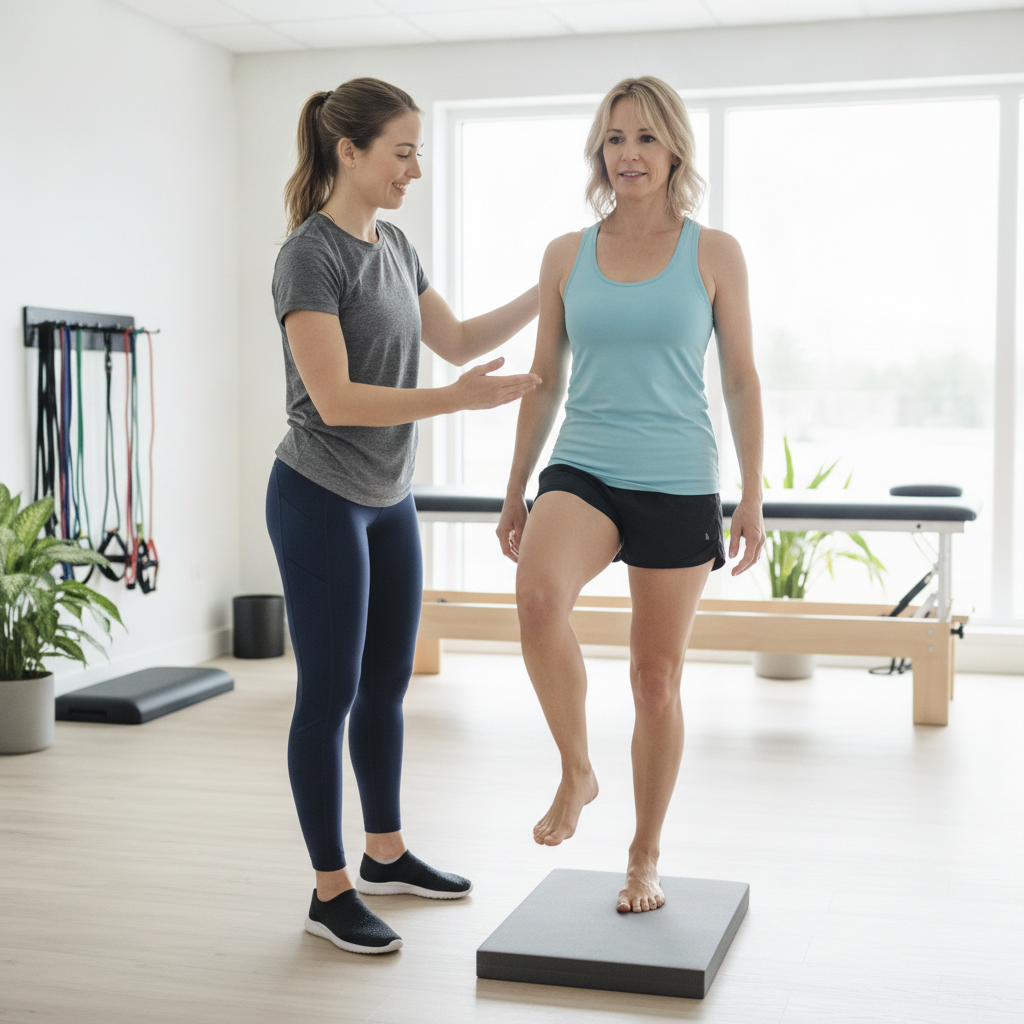
Balance and proprioception training to sharpen your body's sense of position and movement.
Neuromuscular re-education to retrain how your brain and muscles coordinate.
Breathwork and diaphragmatic training to help calm your stress response and support relaxation.
The goal is not to push through pain. It is to teach your body that movement can be safe again.
How Can Physical Therapy Help With Migraines and Vestibular Symptoms?
If you live with chronic migraines, you know they can steal days, plans, and confidence. Migraine is a neurological condition, and for some people it comes with dizziness, balance changes, or sensitivity to motion. When these symptoms are present, it is sometimes described as vestibular migraine.
Physical therapy cannot promise to eliminate migraines. What it can do is address contributing factors that are within its scope. Neck and jaw tension, posture, muscle trigger points, and nervous system reactivity can all influence how often and how intensely headaches show up.
Kairos Therapeutic Healing Center offers vestibular migraine treatment and neurologic physical therapy as part of its services. These can be paired with:
Manual therapy for the neck, upper back, and shoulders
Balance and proprioception training
Breathwork to support nervous system regulation
Sleep support strategies, since poor sleep and migraines often reinforce each other
Which Conditions Can Physical Therapy Address?
Chronic pain rarely stays in one place. You may notice that tension in your neck connects to your headaches, or that hip and back pain flare when you are stressed. A whole-person approach can support a wide range of concerns.
At Kairos Therapeutic Healing Center, conditions commonly addressed include:
Headaches and migraines
Temporomandibular joint (TMJ) pain
Neck, mid back, and low back pain
Postural issues
Shoulder pain, shoulder impingement, and frozen shoulder
Hip pain, hip impingement (FAI), groin pain, and knee pain
Pelvic pain
Arthritis and overuse injuries
Sleep issues
Muscle and strength loss (sarcopenia)
Because these concerns often overlap, your plan is built around you as a whole person. You can see an overview on the Services page.
How Does Neuroplasticity Help Rewire Chronic Pain Patterns?
Neuroplasticity is your nervous system's ability to change and form new connections through experience and repetition. It refers to the brain's capacity to adapt, which is the basis for much of modern pain science and rehabilitation.
In chronic pain, the nervous system can learn to amplify danger signals. That same learning ability can work in your favor. With consistent, safe practice, your body can learn calmer, more regulated responses.
Proprioceptive Intuition: Listening to Your Body Again
Proprioception is your sense of where your body is in space. Kairos Therapeutic Healing Center builds on this with a concept called proprioceptive intuition, which bridges the physical and emotional sides of nervous system health.
Many women with ACEs learned early to ignore their internal signals in order to stay safe or keep the peace. Proprioceptive intuition helps you reconnect with what your body is telling you, so you can respond with care instead of override or fear.
This kind of nervous system retraining is evidence-informed and delivered in a deeply holistic way. It is gradual, and it respects your pace.
What Role Does Emotional Healing Play in Physical Recovery?
If you identify as a people pleaser, struggle with anxiety, or notice a harsh inner critic, you may already sense that your emotions and your pain are connected. You are not alone in that observation.
Within your care, emotional work is offered alongside physical treatment, not instead of it. Approaches may include:
Inner child healing: Building compassion for the younger parts of you who learned to survive instead of feel safe.
Narrative therapy: Reshaping the story you tell about yourself, your pain, and your past.
Parts healing: Understanding the different protective parts of you, and bringing them into greater harmony.
Stress and anxiety support and life coaching: Practical tools for the daily patterns that keep your system on alert.
The heart of this work is a shift from self-abandonment to genuine connection with yourself. As you reclaim your authentic identity, many women find that their relationship with their body changes too.
For women who are highly committed to this process, Kairos Therapeutic Healing Center also offers a small, intimate, invite-only online group program that provides a supportive space to heal alongside others who understand.
What Can You Expect From Your Care at Kairos Therapeutic Healing Center?
Healing is not a straight line, and no ethical provider can guarantee a specific result. What you can expect is a thoughtful, personalized process where your experience is taken seriously.
The outcomes that many people work toward include:
Better nervous system regulation and a calmer baseline
Improved sleep
Greater mobility and flexibility
Improved posture
Increased strength
More effective pain management
Support for recovery after a medical procedure
If getting to a clinic is a barrier, Kairos Therapeutic Healing Center also provides home visits and mobile physical therapy, so you can receive care in a space where you feel comfortable.
Your first steps typically involve sharing your history, your goals, and what you have already tried. From there, your plan blends hands-on care, movement, nervous system tools, and emotional support at a pace that fits you. You can also browse the Kairos blog for more educational resources, or visit the Kairos home page to explore the full approach.
Take the Next Step Toward Relief and Self-Connection
You have carried your pain for a long time, and you have likely carried the weight of not being understood as well. You deserve care that sees the full picture: your body, your nervous system, and your story.
Kairos Therapeutic Healing Center offers integrative physical therapy designed for women ready to move beyond symptom management and toward real, lasting change. Reach out today to book an appointment and take the first step toward a calmer body, a clearer sense of self, and a life that feels like yours again.
